I Held a Hair Dryer Over the Water Ring on My Wooden Table for 10 Minutes — Here’s What Happened

Things You’ll Need
- A hair dryer with adjustable heat settings
- A soft, lint-free cloth
- Wood polish or furniture wax (for after treatment)
- Optional: mayonnaise, non-gel toothpaste, or a clean cotton towel and iron (backup methods)
Step-by-Step Instructions
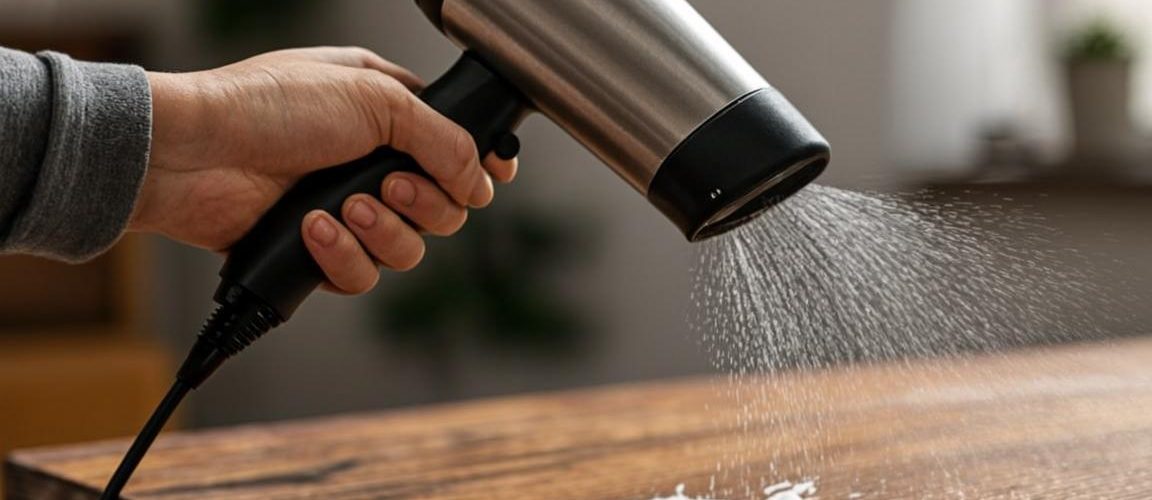
1. Set your hair dryer to the medium heat setting. High heat can damage the wood finish or cause the wood itself to crack, so resist the temptation to crank it up. Medium heat provides enough warmth to evaporate trapped moisture without putting the surface at risk.
2. Hold the hair dryer approximately two to three inches above the water ring. Keep it at this consistent distance throughout the process.
3. Move the hair dryer in slow, continuous circles over the water ring. Do not hold it stationary in one spot, as concentrated heat on a single area can cause the finish to bubble or discolor.
4. Continue this process for about five to ten minutes. Pause every two to three minutes to check your progress. You should see the white ring gradually fading as the trapped moisture evaporates.
5. Once the ring has faded or disappeared completely, turn off the hair dryer and let the area cool for a few minutes. Then apply a thin coat of wood polish or furniture wax to the area to restore moisture and protection to the finish.
6. Buff the polished area gently with a soft, lint-free cloth using circular motions. This helps blend the treated area with the surrounding surface.
Why This Works
Water rings on wooden furniture are one of the most common and frustrating household problems. They form when moisture from a cold glass or hot mug becomes trapped between the wood surface and its protective finish layer. The moisture creates a visible white or cloudy ring because it refracts light differently than the surrounding finish.
When you apply controlled heat from a hair dryer, you are essentially reversing the process that created the ring. The warm air gently raises the temperature of the finish layer just enough to cause the trapped moisture to evaporate. As the water vapor escapes, the finish returns to its normal state, and the refractive difference that created the visible ring disappears along with it.
This technique works best on water-based rings, which appear as white or cloudy marks. These rings are caused by moisture sitting in the top layer of the finish rather than penetrating deep into the wood itself.
What to Expect
In most cases, you will begin to see the water ring fade within the first three to five minutes of applying heat. The white, cloudy appearance will gradually diminish, and the natural color and grain of the wood will re-emerge. By the ten-minute mark, many water rings disappear entirely, leaving no trace that they were ever there.
The process is not instantaneous, and patience is important. Rushing by using higher heat can cause more harm than good. Some rings may require a second treatment session if they are particularly stubborn or have been present for a long time.
Alternative Methods If Heat Doesn’t Work
- The mayonnaise trick: Apply a thick layer of regular mayonnaise to the water ring and let it sit overnight. The oil and acid can help break down trapped moisture.
- The iron-through-towel method: Place a clean cotton towel over the water ring, then press a warm iron onto the towel for several seconds at a time.
- Non-gel toothpaste: Apply a small amount of non-gel white toothpaste to the ring and rub gently with a soft cloth in circular motions.
- Baking soda paste: Mix baking soda with water to form a thick paste, apply it to the ring, and rub gently.
Prevention Tips
- Always use coasters under cold and hot beverages — this is the single most effective prevention strategy.
- Use placemats under plates and serving dishes during meals.
- Apply furniture wax to your wooden surfaces every three to six months.
- Wipe up spills immediately — even small amounts of liquid left for extended periods can create marks.
When to Call a Professional
If the ring is dark or black in color, it likely indicates that moisture has penetrated through the finish and into the wood itself. This type of damage usually requires professional refinishing. You should also seek professional assistance if the finish on your furniture is cracked, peeling, or bubbling.